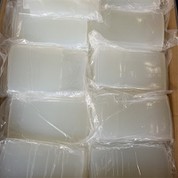
FKM Compound
► Excellent oil and fuel resistance
► Excellent weathering and ozone resistance
► Excellent chemical resistance
► Great heat and high temperature resistance
► Great swelling resistance

- Product Introduction
Introduction
► Technical Data-Bisphenol AF vulcanization
|
PROPERTY |
UNIT |
FBML60 |
FBML70 |
FBML80 |
FBMP60 |
FBMP70 |
FBMP80 |
FBMG60 |
FBMG70 |
FBMG80 |
|
|
Density |
g/cm3 |
1.95±0.05 |
1.95±0.05 |
1.98±0.05 |
1.90±0.05 |
1.95±0.05 |
1.98±0.05 |
1.90±0.05 |
1.95±0.05 |
1.98±0.05 |
|
|
Hardness |
Shore A |
60±5 |
70±5 |
80±5 |
60±5 |
70±5 |
80±5 |
60±5 |
70±5 |
80±5 |
|
|
Tensile strength |
MPa |
12.1 |
13.7 |
14.2 |
12.2 |
12.7 |
12.4 |
12.1 |
12.3 |
12.6 |
|
|
Elongation |
% |
295 |
263 |
207 |
278 |
253 |
192 |
275 |
254 |
189 |
|
|
Compression set, 72 h at 200 ℃ |
% |
10.3 |
10.9 |
11.5 |
15.2 |
15.4 |
15.1 |
19.6 |
19.4 |
20.3 |
|
|
Heat aging, 70 h at 250 ℃ |
Δ Hardness |
Shore A |
1 |
2 |
2 |
1 |
2 |
1 |
2 |
2 |
1 |
|
Δ Tensile strength |
% |
-3.5 |
-8.5 |
-9.2 |
-4.5 |
-8.3 |
-7.5 |
-3.5 |
-8.5 |
-9.2 |
|
|
Δ Elongation |
% |
-5.5 |
-5.8 |
-6.8 |
-6.5 |
-5.5 |
-6.9 |
-5.4 |
-6.2 |
-7.4 |
|
|
Fuel C, 70 h at 23 ℃ |
Δ Hardness |
Shore A |
-2 |
-2 |
-3 |
-2 |
-2 |
-3 |
-2 |
-2 |
-3 |
|
Δ Tensile strength |
% |
-15 |
-9.5 |
-8.2 |
-15 |
-10.6 |
-9.2 |
-15 |
-9.3 |
-10.2 |
|
|
Δ Elongation |
% |
-11 |
-10.3 |
-13.2 |
-11.2 |
-11.3 |
-12.2 |
-13.5 |
-12.3 |
-11.2 |
|
|
Δ Volume |
% |
2 |
3 |
2 |
2 |
2 |
2 |
2 |
2 |
2 |
|
|
Application |
O-ring, seal, miscellaneous parts, oil seal and other molded products. |
||||||||||
► Technical Data-Peroxide vulcanization
|
PROPERTY |
UNIT |
FPMJ60 |
FPMJ70 |
FPMJ80 |
FPMD60 |
FPMD70 |
FPMD80 |
FPMM60 |
FPMM70 |
FPMM80 |
|
|
Density |
g/cm3 |
2.03±0.05 |
2.08±0.05 |
2.07±0.05 |
1.97±0.05 |
1.99±0.05 |
2.01±0.05 |
2.03±0.05 |
2.05±0.05 |
2.04±0.05 |
|
|
Hardness |
Shore A |
60±5 |
70±5 |
80±5 |
60±5 |
70±5 |
80±5 |
60±5 |
70±5 |
80±5 |
|
|
Tensile strength |
MPa |
19.5 |
20.1 |
21.5 |
17.5 |
17.8 |
18.6 |
18.7 |
19.5 |
20.3 |
|
|
Elongation |
% |
323 |
234 |
193 |
493 |
451 |
364 |
424 |
353 |
305 |
|
|
Compression set, 72 h at 200 ℃ |
% |
32 |
31 |
33 |
32 |
33 |
33 |
30 |
31 |
30 |
|
|
Heat aging, 70 h at 250 ℃ |
Δ Hardness |
Shore A |
1 |
2 |
2 |
1 |
2 |
1 |
2 |
2 |
1 |
|
Δ Tensile strength |
% |
-3.5 |
-8.5 |
-9.2 |
-4.5 |
-8.3 |
-7.5 |
-3.5 |
-8.5 |
-9.2 |
|
|
Δ Elongation |
% |
-5.5 |
-5.8 |
-6.8 |
-6.5 |
-5.5 |
-6.9 |
-5.4 |
-6.2 |
-7.4 |
|
|
Fuel C, 70 h at 23 ℃ |
Δ Hardness |
Shore A |
-2 |
-2 |
-3 |
-2 |
-2 |
-3 |
-2 |
-2 |
-3 |
|
Δ Tensile strength |
% |
-13.7 |
-8.5 |
-8.2 |
-13 |
-9.5 |
-7.8 |
-14.3 |
-9.5 |
-8.3 |
|
|
Δ Elongation |
% |
-10.5 |
-9.3 |
-13.2 |
-11 |
-11.3 |
-12.2 |
-11 |
-10.3 |
-13.5 |
|
|
Δ Volume |
% |
2 |
3 |
2 |
2 |
2 |
2 |
2 |
2 |
2 |
|
|
Application |
Low Mooney viscosity, excellent processability, suitable for making extruded products such as rubber hoses and rollers. |
Fluorine rubber watch strap: Unique soft touch, super comfortable - Touch - Non-adhesive, smooth, wear-resistant and durable, sweat-resistant, anti-pollution, water-resistant and oil-resistant, not easy to discolor. |
High tensile strength, small compression permanent deformation, resistance to water vapor, strong acids, alkalis, and strong oxidants, etc. |
||||||||
Applications
► It is designed for molding o-rings, gaskets, various non-bonding sealing parts.
► It can be used for transfer molding, compression molding and injection molding.


Package
► 25 kg per carton
► 500 kg per pallet

Storage
► 6-12 months under recommended storage conditions.
Details
► Corrosion resistance
Fluororubber has excellent corrosion resistance. Generally speaking, it is better than other rubbers in terms of stability against organic liquids (fuel oil, solvents, hydraulic media, etc.), concentrated acids (nitric acid, sulfuric acid, hydrochloric acid), high concentrations of hydrogen peroxide and other strong oxidants.

► Swelling resistance
FKM rubber has a high degree of chemical stability and is the best medium resistance among all elastomers. Type 26 fluororubber is resistant to petroleum-based oils, diester oils, silicone ether oils, silica oils, inorganic acids, most organic and inorganic solvents, and chemicals. It is only not resistant to low molecular weight ketones, ethers, esters, amines, ammonia, hydrofluoric acid, chlorosulfonic acid, and phosphoric acid hydraulic oils. The medium performance of type 23 fluororubber is similar to that of type 26, and it is more unique. It is better than type 26 in resistance to strong oxidizing inorganic acids such as fuming nitric acid and concentrated sulfuric acid. Its volume expansion after immersion in 98% HNO3 for 27 days at room temperature is only 13% to 15%.
► Heat and high temperature resistance
In terms of aging resistance, fluororubber is comparable to silicone rubber and superior to other rubbers. Type 26 fluororubber can work for a long time at 250°C and for a short time at 300°C. Type 23 fluororubber still has high strength after aging at 200 °C × 1000 h, and can also withstand short-term high temperature of 250 °C. The thermal decomposition temperature of tetrapropylene fluororubber is above 400 °C, and it can work for a long time at 230 °C. The performance change of fluororubber at different temperatures is greater than that of silicone rubber and general butyl rubber. Its tensile strength and hardness both decrease significantly with increasing temperature. The change characteristics of tensile strength are: below 150°C, it decreases rapidly with increasing temperature, and between 150 and 260 °C, it decreases slowly with increasing temperature.
► Compression set performance
Compression set is the key performance of fluororubber used in sealing at high temperatures. The compression set performance of type 26 fluororubber is better than that of other fluororubbers. Its compression permanent deformation is very large in the temperature range of 200-300 ℃.
► Weathering and ozone resistance
FKM material has excellent weathering and ozone resistance. Type 23 fluororubber also has excellent weathering and ozone resistance.
► Mechanical properties
Fluororubber generally has high tensile strength and hardness, but poor elasticity. Type 26 fluororubber generally has a strength between 10 and 20 MPa, a tear elongation between 150 and 350%, and a tear strength between 3 and 4 kN/m. Type 23 fluororubber has a strength between 15.0 and 25 MPa, an elongation between 200 % and 600 %, and a tear strength between 2 and 7 MPa. Generally, fluororubber has a large compression permanent deformation at high temperatures.
► Electrical properties
The electrical insulation performance of fluororubber is not very good and is only suitable for use under low frequency and low voltage. Temperature has a great influence on its electrical properties. When the temperature rises from 24 °C to 184 °C, its insulation resistance decreases by 35,000 times. The type and amount of fillers have a great influence on the electrical properties. Precipitated calcium carbonate gives vulcanized rubber higher electrical properties, while other fillers are slightly worse. As the amount of fillers increases, the electrical properties decrease accordingly.
Hot Tags: fkm compound, China fkm compound manufacturers, suppliers, factory, FKM Precompound, FKM Polymer, FDA Grade FKM, fkm rubber
You Might Also Like