
Durability
ACM rubber is a durable material that can withstand a variety of environmental conditions.
Versatility
ACM rubber can be used in a wide range of applications.
Performance
ACM rubber has excellent performance characteristics, such as heat resistance, chemical resistance, and abrasion resistance.
Cost-effectiveness
ACM rubber is a cost-effective material that offers good value for the money.
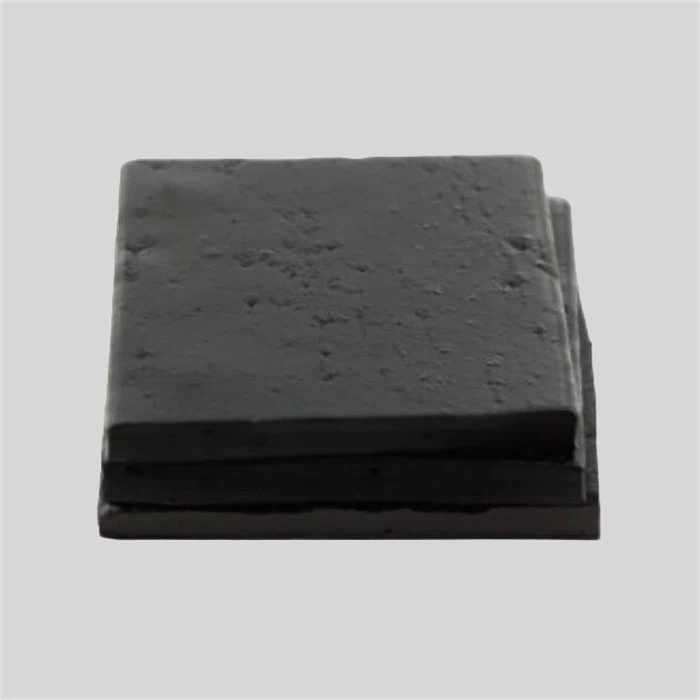
ACM rubber is not destroyed by the presence of sulfur and chlorine in the working environment. It can be used wherever improvers are used in oils and greases. With high chemical resistance, ACM can deform under heavy pressure. It also shows a reduced breaking strength.
The mechanical properties of this rubber are: resistant in temperatures from -20 to – 40 degrees Celsius, this elastomer can withstand a temperature load of 150 degrees Celsius, short-term resistance to temperature load of 175 degrees Celsius, compared to natural rubber or styrene-butadiene copolymer, ACM does not achieve such strength values, nor is it so flexible, behaves well in the atmosphere of ozone and various atmospheric influences, resistant to hot petroleum oils, especially those containing sulfur, it is resistant to swelling.
ACM rubber is not resistant to hot water, steam, acids and bases. It is also unstable in the environment of aromatic and chlorinated hydrocarbons and brake fluids containing glycol. Its electrical properties depend on how well it absorbs water – so they are moderate, depending on its composition.
ACM rubber is used in a wide range of applications, including
Automotive
ACM rubber is used in a variety of automotive applications, including transmission seals, O-rings, gaskets, and hoses. It is also used in automotive interior components, such as dashboards and door panels.
Aerospace
ACM rubber is used in a variety of aerospace applications, such as aircraft seals, gaskets, and hoses. It is also used in aircraft interior components, such as seats and windows.
Industrial
ACM rubber is used in a variety of industrial applications, such as oil and gas seals, gaskets, and hoses. It is also used in industrial equipment components, such as pumps and compressors.
Consumer products
ACM rubber is used in a variety of consumer products, such as footwear, sporting goods, and appliances. It is also used in medical devices, such as catheters and implants.
Start By Preparing The Monomers
As you’d imagine, the first thing you need to do here is to prepare your monomers. We already pointed out that you can have any of the following in the mix: Ethyl acrylate, Methyl methacrylate, Butyl acrylate and much more. Simply get the right formulations of monomers based on what you need from the ACM rubber material, and you’re good to go.
Move to Copolymerization
Next, you subject the monomers to the copolymerization process. This step involves combining them under specific conditions, all with the aim of achieving a specific set of characteristics and features. Here, you add materials such as azo compounds and peroxides to the entire mixture. Their addition leads to the formulation of free radicals, which actually begin the polymerization process.
Propagation
With this step, you see a reaction between the monomer mixture and the free radicals. It ends up with the ACM rubber polymer chain, which incorporates the characteristics of the different monomers and leads to the polymer’s actual creation.
Termination
Once your polymer has been created, you terminate the copolymerization process. You’ll notice that the free radicals become deactivated, meaning that they have become one with the polymer chain.
Process Your Material
With copolymerization now done, you can coagulate the material and form your solid ACM rubber. Then, you also need to wash the material to take out any other impurities and the monomers that didn’t form a part of the reaction. Dry the material to take out any excess water!
You Can Further Compound If You Like
Depending on what you’re trying to achieve, you can also compound and further process the dry ACM rubber. Just as it is with silicone compounding, this step includes adding things like fillers, curing agents, and accelerators to make the ACM rubber material even better overall. Once done, you can process the material into things like sheets, rolls, and more.
Under the correct conditions, ACM rubber can be stored for a period of time. After a period of storage, the parts must be visually inspected for permanent deformation, mechanical damage, cracks, hardening or stickiness (softening). If any of the above conditions are found, the parts should be discarded.
If the ACM rubber is satisfactory, further testing should be carried out to ensure that its performance characteristics remain unchanged. The ACM rubber is then stored for an extended period before further inspection and testing is required.
The initial storage period is the maximum period from the time of manufacture during which properly packaged ACM rubber can be stored under specified conditions before the sample needs to be inspected or retested.

We're well-known as one of the leading acm rubber manufacturers and suppliers in China. If you're going to buy good quality acm rubber, welcome to get more information from our factory.
Oil Resistance ACM Polymer, ACM Polymer, ACM Compound(0/10)



