

FKM Rubber Resists A Lot Of impurities
Where do you want to start? Chemical resistance? High temperature resistance? Resistance to fuel and oils? FKM rubber exhibits all of this and much more. This broad resistance makes FKM rubber perfect for working in environments where you need a rigid, strong material to work.
The Low Compression Set Solidifies Its Characteristics
FKM rubber’s low compression set also means that the material can hold its shape and considerable properties even after you’ve compressed it significantly. For sealing tasks, this is especially important in ensuring that FKm rubber remains useful.
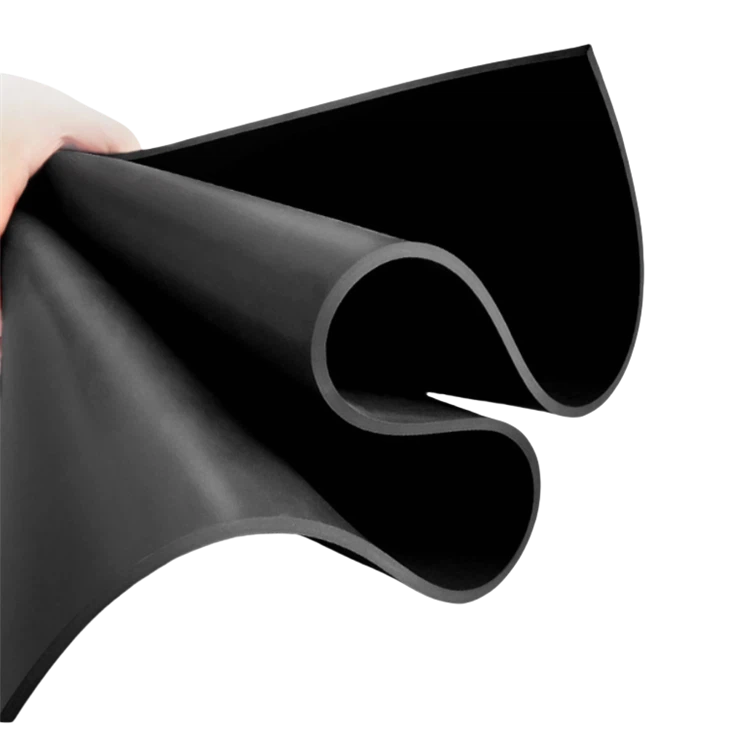
It Is Very Flexible
Elasticity is one area where FKM rubber shines rather well. You can mold it into different shapes and forms, and you can rest assured that it’ll hold its shape over time.
Some Formulations Are Perfect For Human Contact
Specific formulations of FKM rubber are biocompatible. This makes them perfect for use in pharmaceutical devices or medical applications.
Aerospace
FKM rubber is used in aircraft and spacecraft for seals, gaskets, and O-rings because of its ability to withstand high temperatures and extreme conditions.
Automotive
Seals, gaskets and O-rings are also used in the automotive industry due to its excellent oil and fuel resistance. TRP services high end and consumer automotive customers.
Chemical processing
In chemical manufacturing and processing industries, fluoroelastomers are used for seals and gaskets that come into regular contact with corrosive chemicals.
Oil and gas
Oil and gas applications use FKM rubber for seals and gaskets in pipelines, valves, drilling equipment, pipelines, and other components that are regularly exposed to aggressive fluids and high temperatures.
Pharmaceutical and food processing
Due to its high chemical resistance and the ability to meet stringent hygiene standards, FKM rubber is used in equipment and machinery in pharmaceutical and food processing applications.
Military and defence
FKM rubber is also used in a wide variety of military and defence applications, including vehicles and aircraft where durability and reliability are absolutely essential.
We have the capability to provide compound in Strip, Slab, and calendered form. Utilizing our Extrusion expertise, we can also pre-form fluoroelastomer compounds including FKM rubber to meet your requiprements.
In applications which demand the superior performance of FKM rubber only consistent, high quality compounds will suffice. To achieve this, we uses only the finest ingredients. NO regrind, reprocessed, off spec, or wide-spec materials are employed. Combined with the attention to detail in the subsequent manufacturing practices and verified through laboratory testing, the same superior quality is obtained batch after batch. We encourage you and your team to visit our facility to view our capabilities.
Our FKM Rubber Production Process
Synthesize The Monomer
In case you were wondering, Vinylidene Fluoride – or VDF, as some people might call it – is the main component in FKM rubber. It is a monomer that is obtained from combining acetylene and hydrogen fluoride.
Go To Polymerization
Now that you have your monomer ready, you can polymerize it. For FKM rubber manufacturing, you usually have to go through a process known as copolymerization.
Going Through Copolymerization
For this process to work, it will need a lot of pressure and temperature. With this mix, the monomers will be able to react, forming the polymer structure you need and creating some of the FKM rubber characteristics that we already pointed out.
Adjusting The End-Group
Once the polymerization process is completed, the polymer’s end groups can be changed to also improve some of its properties.
Material Compounding
Next, you go on to compound the FKM polymer with different additives – accelerators, curing agents, etc. This process also helps the polymer to improve its physical properties and makes it more functional in the long run.
Process & Vulcanize Your Material
The next step is to create the specific form of the compounded FKM – a sheet, a pellet, etc. Then, take it through vulcanization to ensure cross-linking in FKM rubber.
Test What You Have
Before you package your rubber, it’s important to test it as well. Thorough testing is needed to ensure that the rubber meets the specific standards and specifications you have for it.
Regular Inspections of FKM Rubber
Even well-stored FKM rubber is degrade over time. Regular checks help identify signs of deterioration or contamination. Schedule periodic inspections to assess stored FKM components.
Visual Changes
Check for discoloration, cracks, or surface irregularities. Odour: Unusual smells may indicate chemical reactions or contamination. Physical Integrity: Ensure packaging remains intact.
Storage Environment
Confirm that temperature and humidity conditions are within the recommended range.
Remember, proper storage practices not only extend the lifespan of FKM rubber, but also contribute to their consistent performance. Implementing these guidelines ensures that your FKM compounds remain reliable and ready for use when needed.
Proper packaging shields FKM from external factors like light, dust, and contaminants. Utilise polyethylene bags for individual FKM components. Place these bags inside cardboard containers or polyethylene-lined craft paper bags.
Polyethylene Bags: These prevent direct exposure to light and dust, preserving FKM’s surface quality. Cardboard Containers: Provide structural support and prevent physical damage. Polyethylene-Lined Craft Paper Bags: Offer additional protection against moisture and contaminants.
We're well-known as one of the leading fkm rubber manufacturers and suppliers in China. If you're going to buy good quality fkm rubber, welcome to get more information from our factory.
FKM Precompound, FDA Grade FKM, fkm rubber(0/10)



