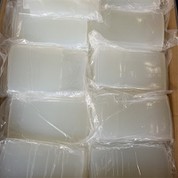
FDA Grade FKM
FKM stands for fluoroelastomer and is a type of synthetic rubber known for its excellent resistance to chemicals, oils and heat. It’s a high-performance elastomer that’s often used in applications where traditional rubber materials cannot withstand extreme conditions. Fluoroelastomer was born out of necessity during the Second World War.

- Product Introduction
Crestmat is a leading rubber material and rubber product supplier in China. The factory has been devoted in special rubber compounding for more than 30 years. The products mainly include rubber materials like fluorosilicone (FVMQ), arylate rubber (ACM), Hydrogenated Nitrile (HNBR), fluoroelastomer (FKM) and rubber calendering products such as HNBR sheet, FKM sheet, fluorosilicone sheet and rubber extruded products such as fkm o ring cord, HNBR rubber cord, fkm profile and high quality ffkm oring. The products are widely used in aviation, automobile, petroleum, marine, semi-condutor and many other fields. The rubber compounding factory is well equiped with Japan-made banburies, two-roller mixers, reaction kettle, strainer; the rubber product factory is equiped with Rotocure machine, press machine, extruder. The lab is equiped with Rheometer, Hardness Testor, Elongation Testor, Rotary Viscosimeter, Biochemitry Incubator.
Why Choose Us
Advanced Equipment
The rubber compounding factory is well equiped with Japan-made banburies, two-roller mixers, reaction kettle, strainer; the rubber product factory is equiped with Rotocure machine, press machine, extruder.
Professional Team
FKM material is equiped with 3 production lines, one for precompounds, one for black compounds, one for colorful compounds. The maximum capacity for fluoroelastomer compound and polymer is 4800 tons per year.
Customized services
The rubber compounding factory is well equiped with Japan-made banburies, two-roller mixers, reaction kettle, strainer; the rubber product factory is equiped with Rotocure machine, press machine, extruder. The lab is equiped with Rheometer, Hardness Testor, Elongation Testor, Rotary Viscosimeter, Biochemitry Incubator.
High Quality
In our Reaserch and Development Certer, we have a leading laboratory equiped with a full sets of testing machinary. Here we can develop the new formulations and also test the rheological properties and physical properties for each batch of orders.

► Excellent oil and fuel resistance
► Excellent weathering and ozone resistance
► Excellent chemical resistance

Fluorosilicone rubber base(FVMQ BASE)
► For bonding
► Good physical and processing properties
► High resilience, fast curing speed and good fluidity, which is more suitable for bonding with VMQ and making composite hose.

► Curing system: Bisphenol AF
► Temperature resistance: -20℃~240℃
► Appearance: White or off-white solid flake

FKM RAW RUBBER(PEROXIDE CURING) - FP600GF
► Excellent acid resistance
► Moderate compression set
► Excellent alcohol resistance

► High Mooney Viscosity
► Improved mold flow, easier mold release
► Excellent scorch safety
► Improved compression set resistance
► Comply with US FDA regulation
What is FDA Grade FKM?
FKM stands for fluoroelastomer and is a type of synthetic rubber known for its excellent resistance to chemicals, oils and heat. It's a high-performance elastomer that's often used in applications where traditional rubber materials cannot withstand extreme conditions. Fluoroelastomer was born out of necessity during the Second World War. It was devised as the solution to leaking nitrile seals that were used on aircrafts during that time period.
FDA grade FKM is a premium elastomer, with more than 50 years of proven success in many of the most severe applications such as sealing aromatic fuels, acids and a variety of chemicals with desirable results.
Good abrasion resistance:
Viton rubber sheet has good abrasion resistance, making it suitable for use in applications where there is potential for wear and tear.
Temperature resistance
FKM has a high operating temperature range and can be used in environments up to about 400°F (204°C).
Chemical resistance
FDA grade FKM is resistant to a wide range of chemicals, including fuels, lubricants, and many acids and bases.
Oil resistance
Viton rubber has good resistance to hydrocarbon oils and is commonly used in applications where oil is present.
Low gas permeability
FDA grade FKM has low gas permeability, making it suitable for use in vacuum environments or where gas retention is important.
Good compression set
FKM Fluorine rubber has good compression set resistance, which means it maintains its shape and properties after being subjected to a compressive load.
Low swelling
FDA grade FKM sheet has low swelling in most oils, which means it maintains its physical dimensions and does not expand when in contact with oil.
Natural Rubber
Natural rubber is derived from the milky sap of the Hevea brasiliensis tree, commonly known as the rubber tree. It possesses excellent elasticity, tear resistance, and low heat buildup, making it ideal for applications such as tires, conveyor belts, and footwear.
Synthetic Rubber
Synthetic rubber is manufactured through chemical processes to mimic the properties of natural rubber while offering enhanced characteristics tailored to specific applications. Various types of synthetic rubber exist, each with its unique properties and advantages.
Butadiene Rubber (BR)
BR possesses exceptional elasticity, high impact strength, and low-temperature flexibility, making it suitable for manufacturing products such as hoses, seals, and adhesives. Its resistance to abrasion and aging contributes to its utilization in automotive parts and industrial goods.
Butadiene Rubber (BR) is a synthetic rubber known for its exceptional elasticity, impact resistance, and low-temperature flexibility. These properties make it highly versatile and suitable for various applications.
Nitrile Rubber (NBR)
NBR exhibits excellent resistance to oil, fuel, and chemicals, making it a preferred choice for sealing and gasket applications in the automotive and aerospace industries. Its high tensile strength and flexibility also enable its use in fuel hoses, O-rings, and hydraulic seals.
Nitrile Rubber (NBR) is a synthetic rubber with remarkable resistance to oil, fuel, and various chemicals. This property makes it highly sought after for sealing and gasket applications in industries where exposure to these substances is common, such as automotive and aerospace.
Chloroprene Rubber (CR)
CR, commonly known as Neoprene, combines good physical properties with resistance to oil, heat, and chemicals. It finds applications in industries ranging from construction and automotive to marine, where it is used in gaskets, hoses, and protective gear due to its flame-retardant and weather-resistant qualities.
Chloroprene Rubber (CR), widely known as Neoprene, is a synthetic rubber with a unique combination of physical properties and resistance to oil, heat, and chemicals. These properties make it a versatile material utilized across various industries.
Which applications use FDA Grade FKM?
Due to its high resistance to chemicals, oils and heat, FDA grade FKM is widely used across a number of industries and applications. They include:
Aerospace
FDA grade FKM is used in aircraft and spacecraft for seals, gaskets, and O-rings because of its ability to withstand high temperatures and extreme conditions. TRP stocks material meeting various aerospace standards such as DTD 5612a, MIL specs and SAE specs.
Automotive
Seals, gaskets and O-rings are also used in the automotive industry due to its excellent oil and fuel resistance. TRP services high end and consumer automotive customers. Recently TRP have been involved in electrical vehicles, supplying insulative seals, conductive seals such as conductive silicone and EMI/RFI shielding silicones.
Chemical processing
In chemical manufacturing and processing industries, fluoroelastomers are used for seals and gaskets that come into regular contact with corrosive chemicals.
Oil and gas
Oil and gas applications use FDA grade FKM for seals and gaskets in pipelines, valves, drilling equipment, pipelines, and other components that are regularly exposed to aggressive fluids and high temperatures.
Pharmaceutical and food processing
Due to its high chemical resistance and the ability to meet stringent hygiene standards, FDA grade FKM is used in equipment and machinery in pharmaceutical and food processing applications.
Military and defence
FDA grade FKM is also used in a wide variety of military and defence applications, including vehicles and aircraft where durability and reliability are absolutely essential.
In general, FKM rubber and silicone rubber have their own unique characteristics, which make them suitable for different application areas. FKM rubber excels in terms of corrosion resistance and high-temperature stability, making it suitable for corrosive environments and high-temperature applications. On the other hand, silicone rubber exhibits high-temperature resistance, flexibility, and weather resistance, making it suitable for high-temperature environments, sealing, and applications with high weathering requirements. When selecting a material, it is important to choose the appropriate one based on the specific application requirements.
|
|
FKM Rubber |
Silicone Rubber |
|
Chemical Composition |
Special synthetic rubber material |
Silicone rubber |
|
Elasticity |
Superior elasticity and resilience |
Good elasticity and flexibility |
|
Temperature Resistance |
High heat resistance |
High-temperature and low-temperature resistance |
|
Corrosion Resistance |
Strong acids, strong alkalis, organic solvents, oxidizing agents, and other corrosive substances |
Erosion by ultraviolet (UV) radiation, oxygen, moisture, and certain chemicals |
|
Common Applications |
Chemical industry, petroleum industry, etc. |
Electronic products, medical devices, etc. |
|
Products |
Industrial elastic components, semiconductor materials, automotive engine seals |
Daily heat-insulating products, electronic components, medical devices |
|
Cost |
Higher cost |
Lower cost |
Production Process of FDA grade FKM
The production of FDA grade FKM is a meticulous process that requires precision, expertise, and a commitment to quality. Every step of the production journey is carefully monitored to ensure the final product meets the highest standards.
Material Selection and Sourcing
The first step involves selecting the right monomers and additives to produce the desired type of FDA grade FKM. Depending on the intended application, different formulations might be chosen to achieve specific properties, such as enhanced chemical resistance or improved mechanical strength.
Molding and Shaping
Once the raw materials are mixed and the rubber compound is prepared, it undergoes a molding process. Precision-engineered molds are used to shape the FDA grade FKM into various products, from seals to gaskets. This step ensures consistency in product dimensions and quality.
Vulcanization
Vulcanization is a critical step in the production of FDA grade FKM. It involves heating the molded rubber in the presence of sulfur or other agents, causing cross-linking between polymer chains. This process enhances the rubber's mechanical properties and resistance to chemicals and heat.
Quality Control and Testing
Every batch of FDA grade FKM products undergoes rigorous quality checks. Tests are conducted to assess tensile strength, elongation, hardness, and other vital properties. Additionally, products are tested for their resistance to specific chemicals and temperatures, ensuring they meet the set specifications.
Packaging and Delivery
After passing all quality checks, the FDA grade FKM products are carefully packaged to prevent contamination and damage during transit.
How to Improve The Low Temperature Performance of FDA Grade FKM?
Improving the low temperature performance of FKM (fluoroelastomer) rubber involves several strategies. These methods aim to enhance the flexibility, elasticity, and overall performance of FDA grade FKM in cold environments.
Material Modifications
Low-Temperature Resistant Grades: Use specially formulated low-temperature FKM grades. These variants are designed with unique polymer architectures that maintain flexibility at lower temperatures.
Copolymer Adjustments: Modify the ratio of monomers in the FKM copolymer. Increasing the content of perfluoromethylvinyl ether (PMVE) can improve low-temperature properties.
Plasticizers
Internal Plasticizers: Incorporate internal plasticizers directly into the FKM polymer chain. These plasticizers reduce the glass transition temperature (Tg), enhancing low-temperature flexibility.
External Plasticizers: Add external plasticizers, which are low molecular weight compounds that can be mixed into the FDA grade FKM. These plasticizers help maintain elasticity at lower temperatures.
Fillers and Additives
Low-Temperature Additives: Use specific additives that improve low-temperature flexibility. These can include certain types of silicones or other specialty chemicals designed to work with FKM.
Nanofillers: Incorporate nanofillers like silica or clay, which can enhance mechanical properties without significantly affecting low-temperature performance.
Crosslinking Density
Optimized Vulcanization: Adjust the crosslinking density during the vulcanization process. Lower crosslinking density can improve low-temperature flexibility but may impact other properties like chemical resistance and tensile strength.
Cure Systems: Use appropriate curing systems that are designed for low-temperature performance, such as specific peroxide cures or bisphenol cures tailored for low-temperature applications.
Blends and Alloys
Polymer Blending: Blend FKM with other elastomers that have better low-temperature properties. For example, blending with silicone rubber (VMQ) or fluorosilicone (FVMQ) can improve low-temperature performance while maintaining some of the beneficial properties of FKM.
FDA Grade FKM's Chemical Properties
Its High Chemical Resistance
FDA grade FKM has exhibited some impressively high levels of resistance to different chemicals. Whether it's bases, acids, or other solvents, the material resists them, cutting off its reaction significantly.
Weather Resistance Is High Too
It's not just chemicals that FDA grade FKM resists – the material also does well to repel elements of the weather. So, if you need a rubber material that can work in outdoor conditions, this is a solid option for you.
Resistance To Water & Hydrolysis
Another interesting characteristic of this material is that it resists any degradation caused by excessive exposure to steam and water. Just like the weather resistance factor, this means that FDA grade FKM will be able to work in wet environments.
Stability With Fire & Heat
For this point, we'll look at two major characteristics – flame and ozone resistance. With flame resistance, you can find specific FDA grade FKM compounds that will be able to hold their own when they come in contact with flame. And, with ozone resistance being another of the chemical properties of FDA grade FKM, you can count on the material being able to withstand exposure to the sun's dangerous ultraviolet rays.
Electrical Insulation
It is also worth noting that this material offers solid electrical insulation properties. This means that FDA grade FKM will be able to work in specific electrical instances where resistance to current is more than necessary.
Our Factory
Crestmat is a leading high performance rubber material and rubber product supplier in China. The factory has been devoted in special rubber compounding for more than 30 years.


FAQ
Hot Tags: fda grade fkm, China fda grade fkm manufacturers, suppliers, factory, FFKM O ring, FKM Rubber Sheet, NBR Compound, rubber sheet, FFKM Compound, fkm products